EN
EN

Oil and Gas: High-Pressure Pipeline Threading with CNC Precision
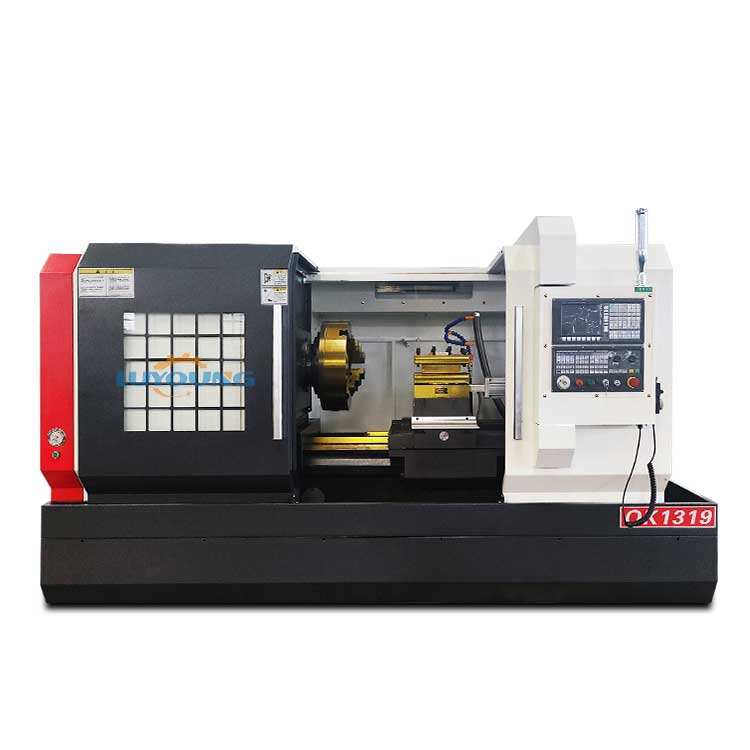
In the oil and gas sector, CNC pipe threading lathe machines deliver critical precision for high-pressure pipelines where thread integrity prevents catastrophic failures. These systems achieve threading tolerances as tight as 0.01 mm–essential for maintaining seal integrity under extreme pressures exceeding 15,000 PSI.
Meeting API 5CT and API 5L Standards for Thread Accuracy
CNC threading helps meet those important American Petroleum Institute standards, specifically API 5CT for casing and tubing, as well as API 5L for pipelines. The machines can be programmed to control how threads are formed, what pitch they have, and even their taper. With real time monitoring systems now in place, manufacturers check all the key measurements on the fly. We're talking about things like thread root radius which needs to stay within plus or minus 0.05 mm, along with proper flank angles. These systems cut down on bad parts dramatically. According to recent drilling safety reports from 2023, there's been a massive 92% reduction in non compliant products when compared to older manual techniques.
Case Study: Automated Threading of 13⅜” Casing Strings in Offshore Rigs
A North Sea platform implemented CNC threading for 13⅜” casing strings, achieving:
- 80% reduction in threading time (from 45 to 9 minutes per joint)
- Zero thread galling incidents over an 18-month deployment
- 99.7% first-pass acceptance rate at pressure testing
Balancing Threading Speed and Surface Finish in Sour Gas Applications
For hydrogen sulfide (H₂S) environments, CNC programming optimizes feed rates and tool paths to maintain Ra 3.2 µm surface finishes while preventing work hardening in super duplex stainless steels. This eliminates micro-crack initiation points that accelerate sulfide stress cracking–a leading failure mode in sour service pipelines.
Chemical Processing: Corrosion-Resistant Threading for Hazardous Fluids
Chemical plants handling aggressive media like acids, alkalis, and volatile compounds rely on CNC pipe threading lathe machines to create leak-proof connections in corrosion-resistant alloys. Catastrophic failure risks from degraded threaded joints make precision non-negotiable for ISO 9001-certified operations processing hazardous fluids.
Challenges in Threading Stainless Steel and Duplex Pipes in ISO 9001 Plants
Threading high-strength alloys such as 316L stainless steel or duplex 2205 demands specialized tooling and tightly controlled parameters. Work hardening during machining can induce micro-fractures in threads–accelerating corrosion in chlorine-rich environments. ISO 9001 protocols require documented control of key variables:
- Cutting speeds below 120 SFM for duplex steels to prevent carbide tool degradation
- Rigorous chip management to avoid surface galling in austenitic grades
- Post-thread passivation to restore protective chromium oxide layers
These measures directly mitigate stress corrosion cracking (SCC) in pipelines carrying concentrated acids at pressures above 300 psi.
Real-Time Thread Pitch Verification Using In-Process Metrology
Today's computer numerical control lathes come equipped with laser scanners plus touch probes that check out thread shapes while cutting happens. These systems work in a loop, measuring things like pitch diameter down to within thousandths of an inch, looking at how far off those flanks are from perfect angles, and tracking any build up of errors along lengthy pipe sections. When everything gets measured, the machine makes tiny adjustments to the tools automatically so mistakes don't spread through the whole piece. This matters a lot for equipment handling hydrofluoric acid transfers because it means every single part meets those strict ASME B1.20.1 taper thread requirements right before anything touches the corrosive fluid.
Power Generation and Nuclear: Compliance with Stringent Threading Standards
Precision-threaded pipe connections are critical for safety in power plants and nuclear facilities, where steam lines and coolant systems operate under extreme pressures and temperatures. A single thread failure can trigger cascading failures–making adherence to rigorous machining standards non-negotiable.
Adhering to ASME B1.20.1 and RCC-M in Steam Line Fabrication
For steam piping work, the threading needs to follow ASME B1.20.1 standards when dealing with tapered threads. This helps create those tight seals we need because of how deep the threads engage with each other. Things get even stricter in nuclear environments where they have to stick to RCC-M rules too. These regulations actually set pretty tight tolerances for reactor coolant system threads at plus or minus just 0.005 mm. Modern day CNC pipe threading lathes can handle all these requirements thanks to their closed loop feedback systems. The machines constantly tweak their cutting paths as they go along, making adjustments based on what they measure during the actual threading process itself.
Ensuring Safety and Precision in Nuclear-Grade Pipe Connections
Leak-proof connections are absolutely essential in nuclear facilities to stop any escape of radioactive materials. The threads used in containment penetrations need to handle everything from earthquakes to extreme temperature changes without failing. CNC machining makes this possible with special surface treatments after threading that get rid of tiny cracks, automatic checks done with laser technology, plus detailed records kept for each part made. According to recent IAEA standards from 2024, safety regulations now demand around 99.97% containment reliability. Meeting this level of safety is practically impossible without the kind of consistent quality control that only CNC machines can provide across thousands of components.
Heavy Industrial Fabrication: Large-Diameter Pipe Threading Applications
Threading 24”–60” Seamless Pipes for Blast Furnace Cooling Systems
Factories depend heavily on those CNC pipe threading lathes when making connections that won't leak in their essential cooling systems. These seamless pipes come in sizes from about 24 inches all the way up to 60 inches across, and they need really accurate threading because they have to handle temperatures that go well over 1500 degrees Fahrenheit inside blast furnaces. The CNC programming actually adjusts for how materials change shape while being machined, keeping the thread pitch within just a thousandth of an inch tolerance. This kind of precision matters a lot since any failure at the joints might let water get into areas where there's molten metal, which would be disastrous for operations.
Structural Integrity Demands in Metallurgical Plant Piping
The quality of threads has a major effect on how well piping systems can handle weight when they're supporting heavy machinery. Most metallurgical facilities stick to strict rules about thread depth compared to diameter, usually requiring at least a 1:3 ratio for important structural joints. These specifications aren't arbitrary either. Modern CNC machines create consistent thread roots even in tough high-yield steel materials, which helps prevent those weak spots where cracks tend to start during repeated stress cycles. Before these threaded components ever go into place in areas where safety is paramount, engineers run them through ultrasonic tests to check everything looks good. This extra step might seem tedious but it's worth the effort considering what could happen if something fails down the line.
FAQs
What is CNC pipe threading used for in the oil and gas industry?
CNC pipe threading is used to ensure precision in creating threads on pipelines, which helps maintain seal integrity under high pressure and meets industry standards like API 5CT and API 5L.
How does CNC threading enhance safety in nuclear facilities?
CNC threading enhances safety by providing precise, leak-proof connections in nuclear-grade pipes, which are essential to prevent the escape of radioactive materials.
Why is CNC threading important for chemical processing plants?
CNC threading is crucial for chemical processing plants because it creates leak-proof connections in corrosion-resistant alloys, minimizing the risk of catastrophic failure when handling hazardous fluids.
What are the key parameters in threading stainless steel and duplex pipes?
Key parameters include cutting speeds below 120 SFM, rigorous chip management, and post-thread passivation to avoid micro-fractures and ensure corrosion resistance.