EN
EN

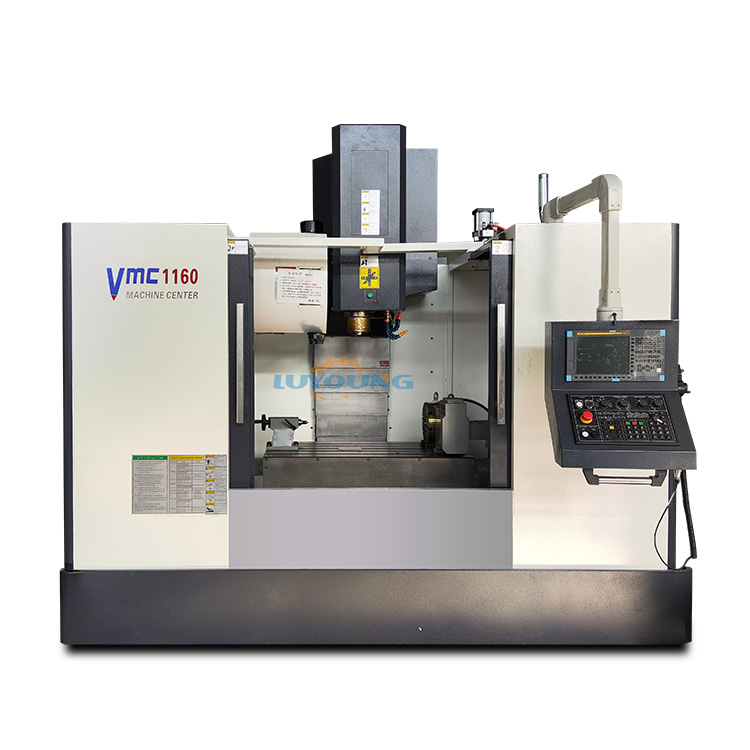
Understanding Material Properties and Their Impact on CNC Machining Center Performance
Material properties directly determine how efficiently a CNC machining center operates, with hardness, thermal conductivity, and machinability ratings serving as critical selection criteria. Over 60% of premature tool wear occurs due to mismatched spindle speeds and material hardness levels (SME 2022), affecting cycle times, surface finishes, and production costs.
The Role of Material Properties in Selecting a CNC Machining Center
- Hardness dictates tool wear rates and power consumption
- Thermal conductivity affects heat dissipation during cutting
- Ductility influences chip formation and surface roughness
Materials exceeding 40 HRC typically require specialized coatings and reduced feed rates to prevent tool fracture. A material properties impact study reveals aluminum's high thermal conductivity allows 20% faster spindle speeds than steel.
Common Workpiece Materials and Their Machinability Ratings
| Material | Hardness (HRC) | Thermal Conductivity (W/m°K) | Machinability Rating (1-100)* |
|---|---|---|---|
| Aluminum 6061 | 8 | 167 | 95 |
| Stainless Steel 304 | 22 | 16.2 | 45 |
| Titanium Grade 5 | 36 | 6.7 | 30 |
*Per SME Machinability Standards (2022)
How Hardness and Thermal Conductivity Affect CNC Machining Center Performance
Titanium's low thermal conductivity causes rapid heat buildup, requiring machining centers with advanced coolant-through-spindle systems. A controlled test by Premier Aluminum showed matching spindle torque to material hardness improves tool life by 75% in steel components. High-hardness materials (>45 HRC) demand rigid machine structures to minimize vibration-induced inaccuracies.
Selecting the Right CNC Machining Center for Metal Workpieces
Aluminum Alloys: High-Speed Spindle Requirements for Optimal CNC Machining Center Performance
Because aluminum is so light and cuts easily, most shops need CNC machines with spindles that spin over 24,000 RPM just to get decent material removal rates. The metal's soft nature means chips have to be cleared away fast from the cutting area, which is why many operators go for tools with special coatings that stop those annoying built-up edges during production runs. For really tight work on aerospace grade 7075 aluminum, modern equipment can hit around plus or minus 0.001 inch accuracy when running at about 40 meters per second cutting speed while also using some kind of vibration control system. Most manufacturers consider these specs pretty standard nowadays for serious aluminum machining operations.
Steel and Stainless Steel: Torque and Rigidity Demands on Industrial CNC Machining Centers
When working with 304 stainless steel, it really takes a good CNC machining center that can put out around 200 Nm of torque while running at about 80% duty cycle just to handle the work hardening issues that come up during machining. The machine's construction matters too. Machines built with rigid box ways actually cut down on tool deflection by roughly 62% over those using linear guides, especially important when dealing with tough materials like hardened tool steels. And if we're talking about interrupted cutting jobs such as marine propeller shafts, there are specific requirements to consider. Look for machines equipped with at minimum 15 horsepower spindle power and bases made from thermal stable polymer concrete. These features help maintain dimensional accuracy even under challenging cutting conditions.
Titanium and Superalloys: Thermal Management and Tool Life Challenges in CNC Machining Centers
The low thermal conductivity of Inconel 718, around 11.4 watts per meter Kelvin, means cutting speeds typically stay under 120 surface feet per minute unless there's some serious cooling involved. When working with these materials, manufacturers have found that using high pressure through-spindle coolant at over 1,000 pounds per square inch can actually triple tool life in those tough titanium parts used in aerospace applications, as shown in various tests conducted by NIST. And when it comes to machining Haynes 25 superalloys, shops are turning to hybrid machines equipped with ceramic bearings and oil air lubrication systems. These setups keep spindle accuracy right around 2 microns even when dealing with chips reaching scorching temperatures of about 800 degrees Fahrenheit during operation.
Case Study: Aerospace Component Manufacturing Using Titanium on a 5-Axis CNC Machining Center
One major aerospace parts manufacturer cut their Ti-6Al-4V landing gear machining expenses down by around 18% when they started implementing those fancy 5-axis contouring techniques. The secret sauce? Their state-of-the-art CNC machine came equipped with a 50 tool automatic tool changer plus this cool tilt rotary table setup. This combination let them do all that complicated near net shape milling work in only three different setups rather than the usual fourteen. Pretty impressive stuff. And get this: they achieved an amazing 0.0004 inch positional repeatability which helped them pass those tough AS9100D quality checks. Plus, thanks to smart thermal compensation systems, they managed to keep their spindle running at about 92% efficiency throughout production runs.
Optimizing CNC Machining Centers for Non-Metallic Materials
Modern manufacturing increasingly relies on CNC machining centers to process advanced non-metallic materials like engineering plastics and carbon fiber composites. These materials present unique challenges that demand specialized optimization across tooling, programming, and machine configuration.
Machining Plastics and Composites With Precision CNC Machining Center Tools
Plastics like PEEK and Ultem® require high-speed spindles (18,000–30,000 RPM) to prevent melting, paired with polished carbide tools to minimize heat generation. For glass-filled composites, polycrystalline diamond (PCD) tooling extends lifespan by 3–5×. A 2024 CNC materials study found optimized toolpaths reduced delamination in carbon fiber-reinforced polymers by 62% across aerospace prototyping applications.
Preventing Delamination in Carbon Fiber Using Specialized CNC Machining Center Strategies
Carbon fiber machining requires balancing feed rates (typically 0.05–0.15 mm/tooth) with spindle dynamics to preserve fiber integrity. Advanced CNC machining centers use three key techniques:
- Climb milling orientation to compress layers rather than pull fibers apart
- Compression-cutting tool geometries with alternating shear angles
- Active vacuum systems to secure workpieces without mechanical clamping
These methods reduced scrap rates from 22% to 4% in automotive composite panel production during 2023 industry trials.
Controversy Analysis: Should CNC Machining Center Use Diamond-Coated Tools for Composites?
Diamond coated tools last around 8 to 10 times longer when working with abrasive materials, but they come at a steep price tag ranging from $350 to almost $900. That's way more expensive than regular carbide tools which typically cost between $50 and $120. Some folks in the industry point out that even though these diamond tools save about 7 to 12 hours each time there's a tool change, most small shops find it hard to justify spending so much money just for those few extra hours. On the flip side, supporters of diamond coatings say that keeping machines running without interruptions really boosts overall equipment effectiveness by roughly 15% to maybe 18%. This makes all the difference for companies making medical devices that need to keep production lines going nonstop day after day.
Matching Spindle Type and Speed to Workpiece Material Requirements
High-frequency spindles for soft materials on a CNC machining center
Spindles running at high frequencies between 12,000 and 24,000 RPM work best when cutting softer stuff like aluminum, various plastics, and composite materials. These machines help keep temperatures down during operation while letting machinists push feed rates much higher than traditional setups allow. Take aluminum alloys for instance they need roughly three times the speed compared to steel processing just to avoid those annoying welding issues that can ruin entire batches. When working with really small tools under 3mm in diameter, combining them with these high speed spindles makes a big difference too. Machining tests on thermoplastics showed that deflection problems in thin walled components dropped around 60% when using this combination, which is why many shops have started adopting it for precision work.
Heavy-duty spindles for hard metals in industrial CNC machining center setups
Hardened steels and superalloys demand spindles with 40–120 Nm torque and rigid BT50/HSK-A100 toolholders. Mismatched spindles increase tool breakage rates by 22% when cutting Inconel 718 at recommended speeds. Key specifications include:
- Thermal stability: ±4µm axial growth at 8,000 RPM
- Coolant-through systems: 1,200 PSI minimum for titanium
Data point: Spindle lifespan drops 40% when mismatched to material hardness (Source: SME, 2022)
Operators using 24,000 RPM spindles on AISI 4140 steel (28–32 HRC) experienced 2.3× faster bearing wear than those using torque-optimized units. Proper alignment with material hardness extends spindle rebuild intervals from 18 to 29 months.
Tool Path and Cutting Strategy Optimization by Material
Adaptive clearing vs. high-efficiency milling for tough materials on cnc machining center
Working with hardened steels or titanium alloys presents unique challenges for machinists. Adaptive clearing techniques help tackle these issues by keeping the chip load consistent throughout the cutting process, thanks to smart feed rate adjustments made automatically by the machine's algorithms. This approach stands in contrast to what we call high efficiency milling (HEM), where the main goal is to remove material quickly through deep cuts across the workpiece surface. Take for example a recent project involving automotive transmissions. The team found that switching to adaptive methods extended tool life by about 30% compared to traditional HEM practices when working with 4340 steel parts. Such improvements matter greatly in production environments where downtime costs money and tool replacement adds up fast.
Minimizing vibration in thin-walled aluminum parts using cnc machining center dynamics
For aerospace-grade 6061-T6 components with wall thicknesses <2mm, modern CNC machining centers combat chatter through real-time spindle torque monitoring, dynamic stiffness mapping of fixtures, and adaptive toolpath smoothing algorithms. Recent Datron research shows synchronized spindle speed/feed modulation reduces harmonic vibrations by 58%.
Industry paradox: Faster feeds don’t always improve finish in stainless steel cnc machining center operations
The cutting speed range for 17-4PH stainless steel typically falls between 250 to 350 surface feet per minute. However when feed rates go above 0.15 mm per tooth, the material tends to work-harden, which means extra polishing steps become necessary after machining. What many might find surprising is that achieving those mirror-like finishes doesn't always require going full throttle. Some shops have successfully used variable helix end mills combined with climb milling techniques along with minimum quantity lubrication systems. This combination actually works better at around 85% of what's considered the top recommended feed rate. One manufacturer running trials on medical implants saw their post processing time drop significantly, saving about 22 man hours each month just from implementing these adjusted parameters.
Frequently Asked Questions
Why are material properties important in CNC machining?
Material properties such as hardness, thermal conductivity, and machinability ratings determine tool wear rates, power consumption, surface roughness, and ultimately impact machining efficiency and costs.
How does thermal conductivity affect CNC machining?
Materials with low thermal conductivity cause heat buildup during machining, which can lead to tool wear and decreased machining performance unless cooled adequately.
What is adaptive clearing?
Adaptive clearing is a machining technique that maintains a consistent chip load by intelligently adjusting the feed rate during the cutting process, thereby extending tool life and improving machining efficiency.
Table of Contents
- Understanding Material Properties and Their Impact on CNC Machining Center Performance
-
Selecting the Right CNC Machining Center for Metal Workpieces
- Aluminum Alloys: High-Speed Spindle Requirements for Optimal CNC Machining Center Performance
- Steel and Stainless Steel: Torque and Rigidity Demands on Industrial CNC Machining Centers
- Titanium and Superalloys: Thermal Management and Tool Life Challenges in CNC Machining Centers
- Case Study: Aerospace Component Manufacturing Using Titanium on a 5-Axis CNC Machining Center
- Optimizing CNC Machining Centers for Non-Metallic Materials
- Matching Spindle Type and Speed to Workpiece Material Requirements
- Tool Path and Cutting Strategy Optimization by Material
- Frequently Asked Questions