
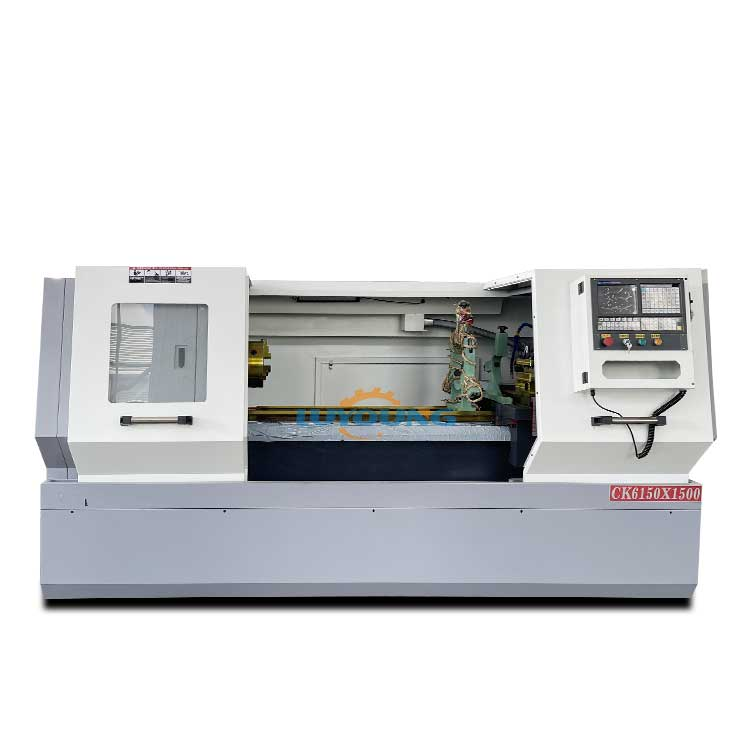
Technical Capabilities and Precision of CNC Lathe Machine Understanding Accuracy, Repeatability, and Flexibility in Machining Processes Today's CNC lathes can position tools within about 2 microns give or take (NIST said so in 2025), and they repea...
VIEW MORE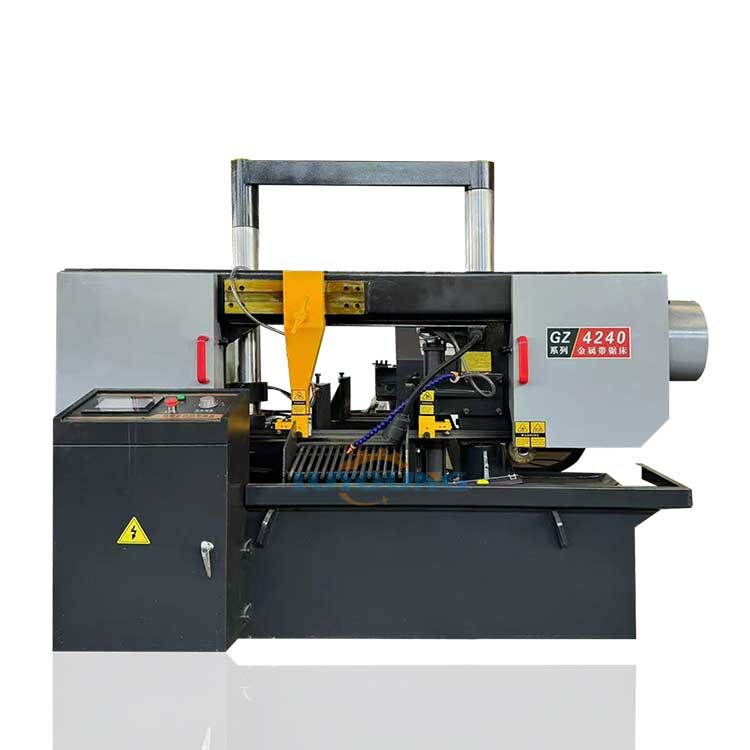
How Metal Band Sawing Machines Work with Different Materials Understanding the cutting mechanism of metal band sawing machines Band saw machines work by running a continuous toothed blade across two wheels to make accurate cuts through metal. How w...
VIEW MORE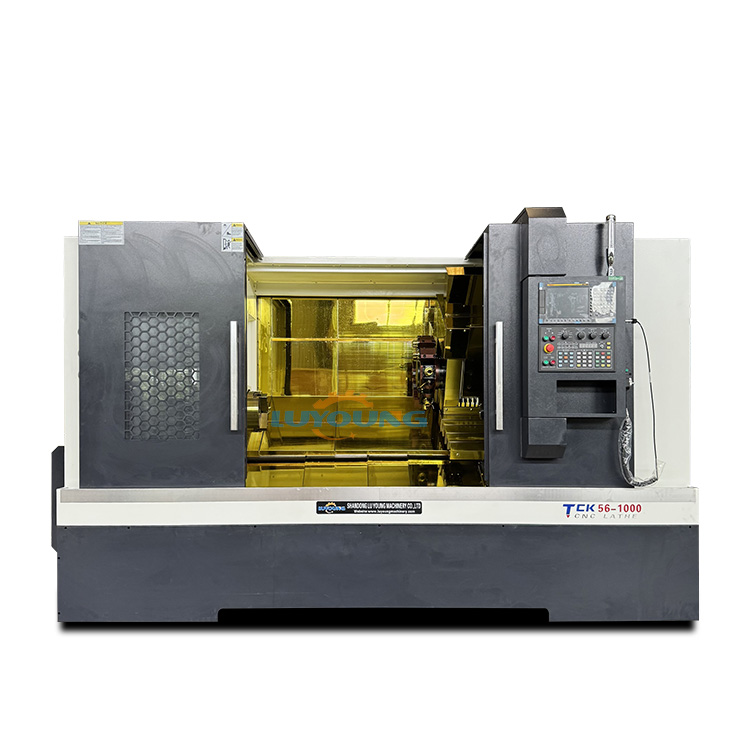
Enhanced Structural Stability and Rigidity of Slant Bed CNC Lathe Machines Role of Slant Bed Design in Improving Rigidity and Reducing Vibration The inclined angle (typically 30°–45°) of slant bed CNC lathe machines creates a triangul...
VIEW MORE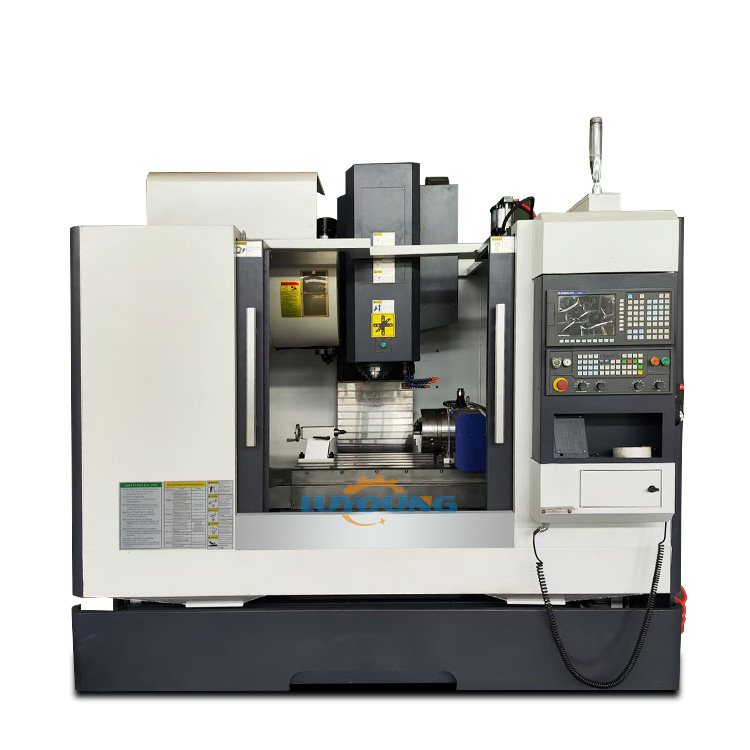
Superior Precision and Accuracy in Small-Batch Production Machining Accuracy and Surface Finish Capabilities of Vertical CNC Mills Vertical CNC milling machines deliver exceptional dimensional accuracy, with modern systems achieving tolerances with...
VIEW MORE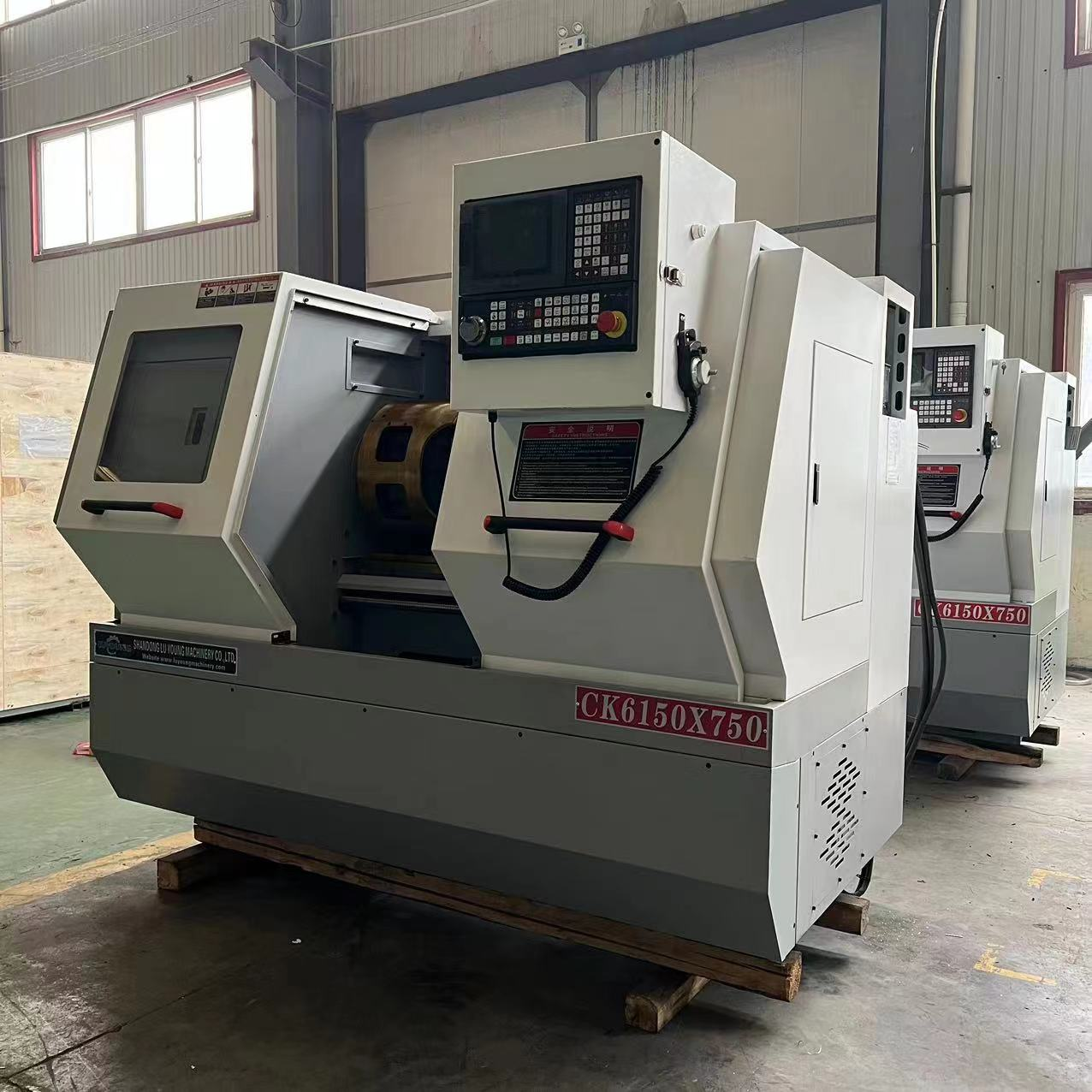
Understanding CNC Metal Lathe Types and Configurations Slant Bed vs. Flat Bed CNC Metal Lathes: Which Suits Your Workshop? The slant bed design in CNC metal lathes typically angles between 30 to 45 degrees, which helps chips clear away better and ma...
VIEW MORE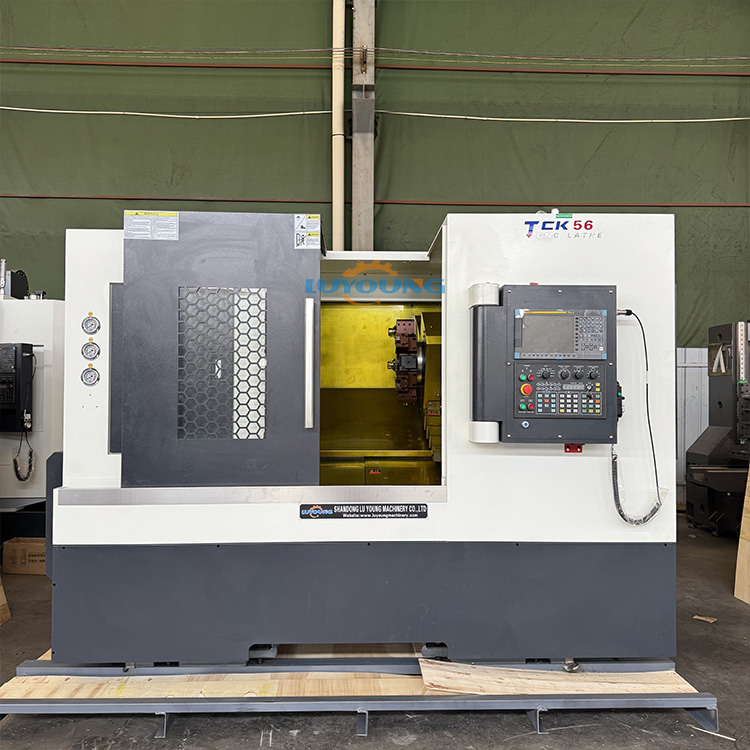
Automation and Robotics Integration for Uninterrupted Production How CNC Turning Lathe Machines Reduce Human Error and Cycle Times Through Automation CNC turning lathes cut down on those pesky manual mistakes because they automate everything from to...
VIEW MORE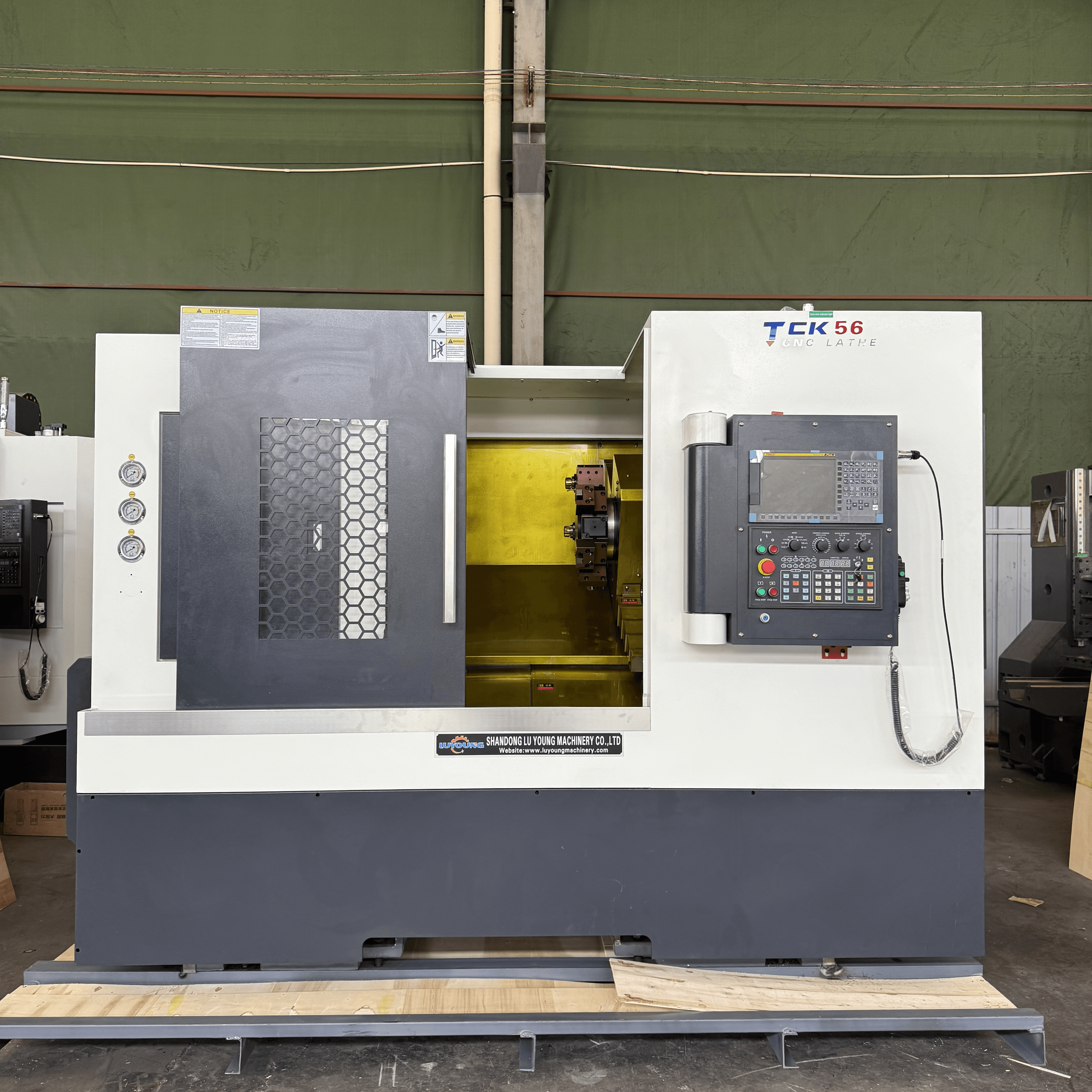
Unmatched Precision and Multi-Axis Machining Capabilities The Role of Precision in High-End CNC Machine Tools in Automotive and Aerospace Applications Getting things just right matters a lot in aerospace and automotive manufacturing. When talking ab...
VIEW MORE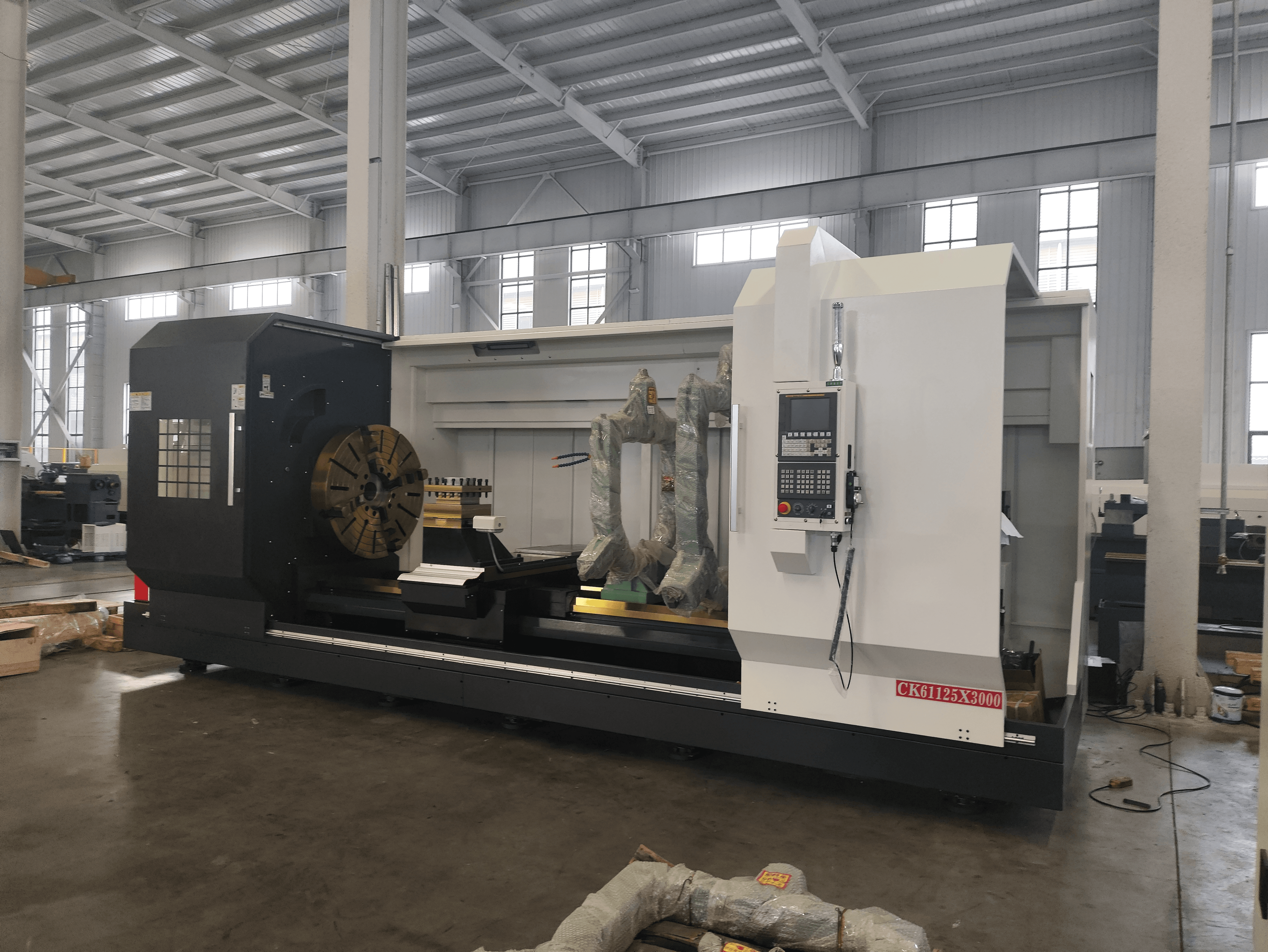
Unmatched Structural Rigidity for Heavy-Duty Performance Modern flat bed CNC lathe machines achieve 25% greater structural stability than traditional slant-bed models, a critical advantage for heavy-duty operations involving cast iron components ove...
VIEW MORE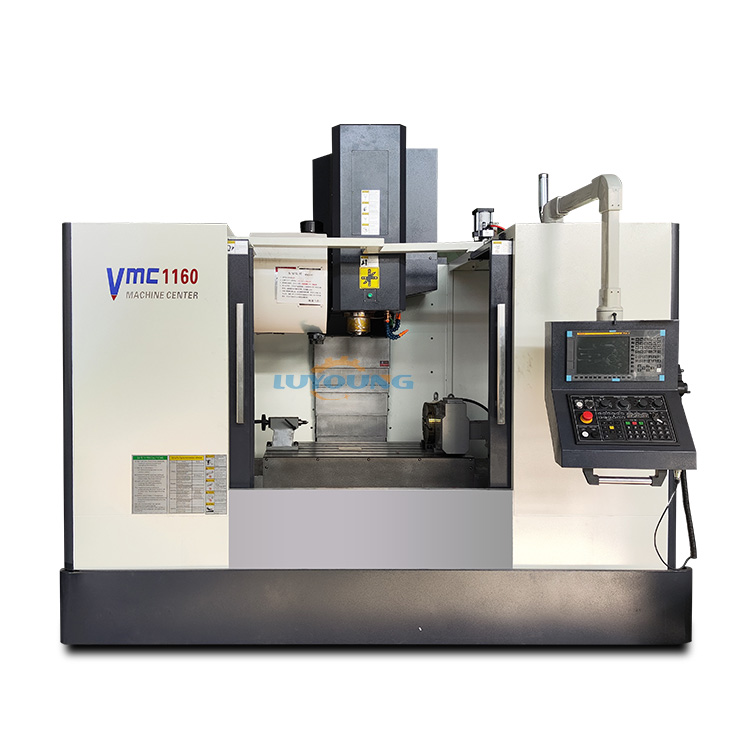
Aerospace Industry: High-Precision Machining for Complex Components Demand for Tight Tolerances in Aerospace Parts In aerospace manufacturing, parts often need tolerances down to around ±0.0005 inches according to the Industry Report from 202...
VIEW MORE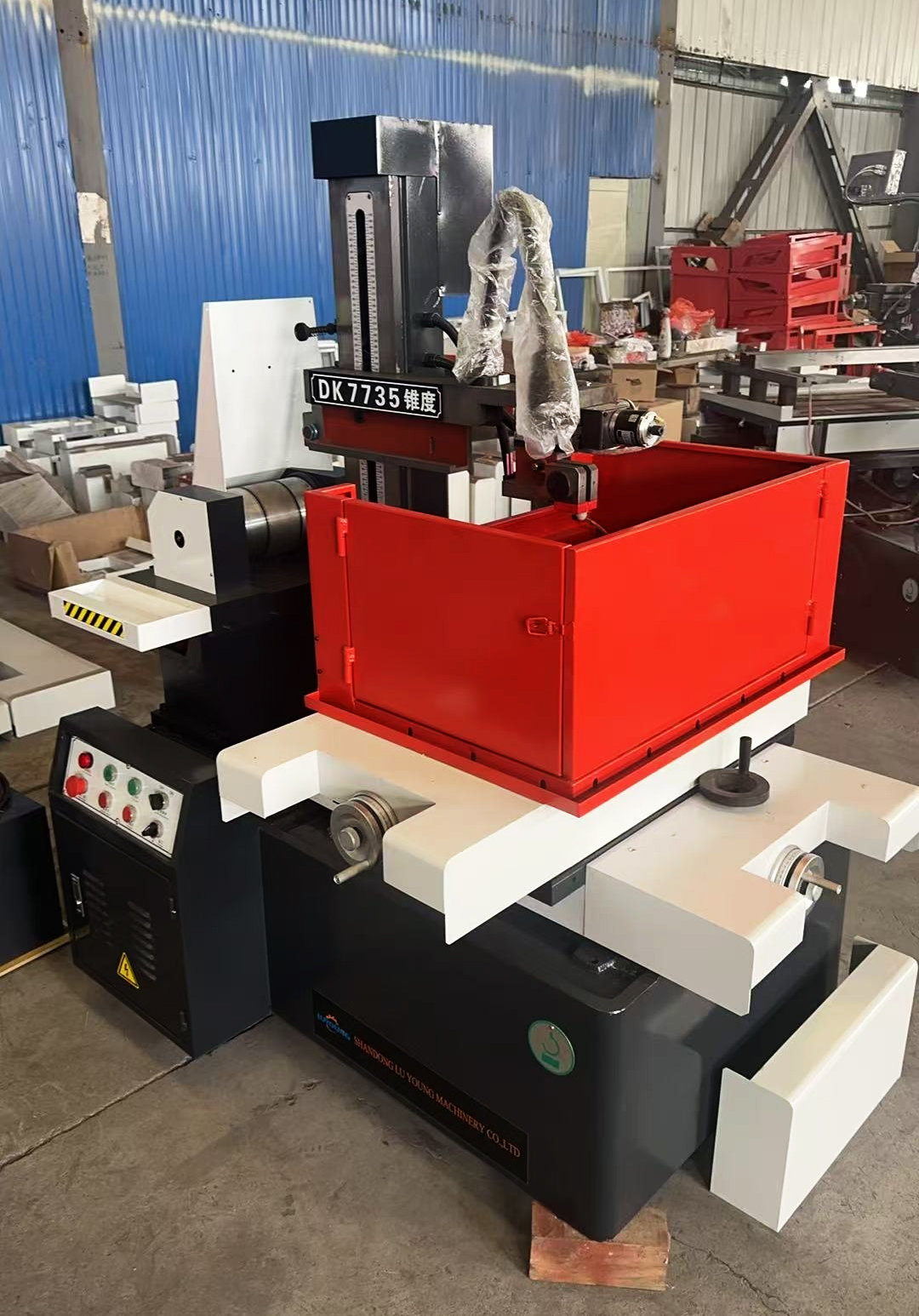
EDM Machine Technology Fundamentals for Hard Materials Spark Erosion Principles in EDM Operations Spark erosion lies at the heart of EDM (Electrical Discharge Machining) technology, allowing manufacturers to cut through extremely tough materials th...
VIEW MORE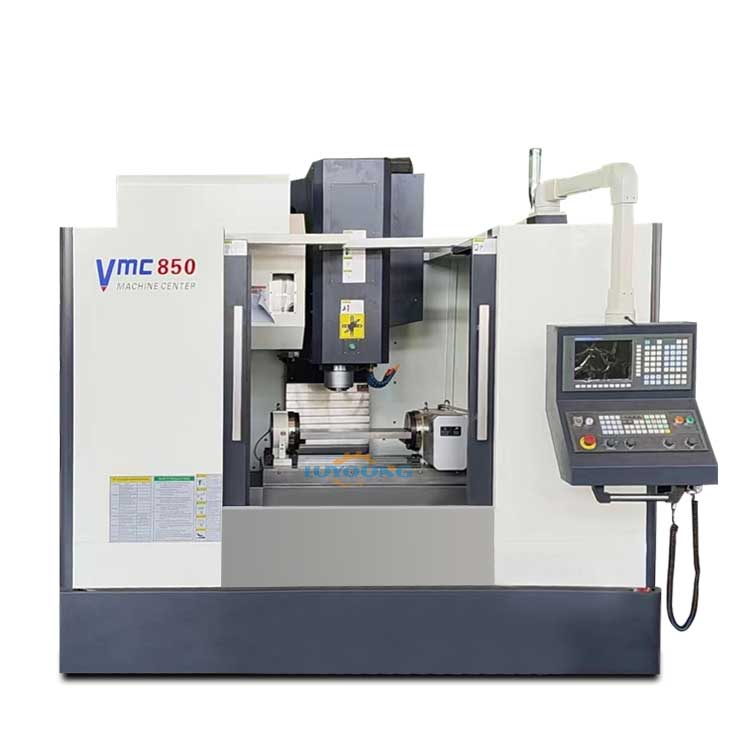
Unmatched Precision and Consistency in Production Achieving Sub-Micron Tolerances Getting parts right down to sub-micron levels matters a lot in fields like aerospace engineering and making medical devices, where getting things wrong just isn't an ...
VIEW MORE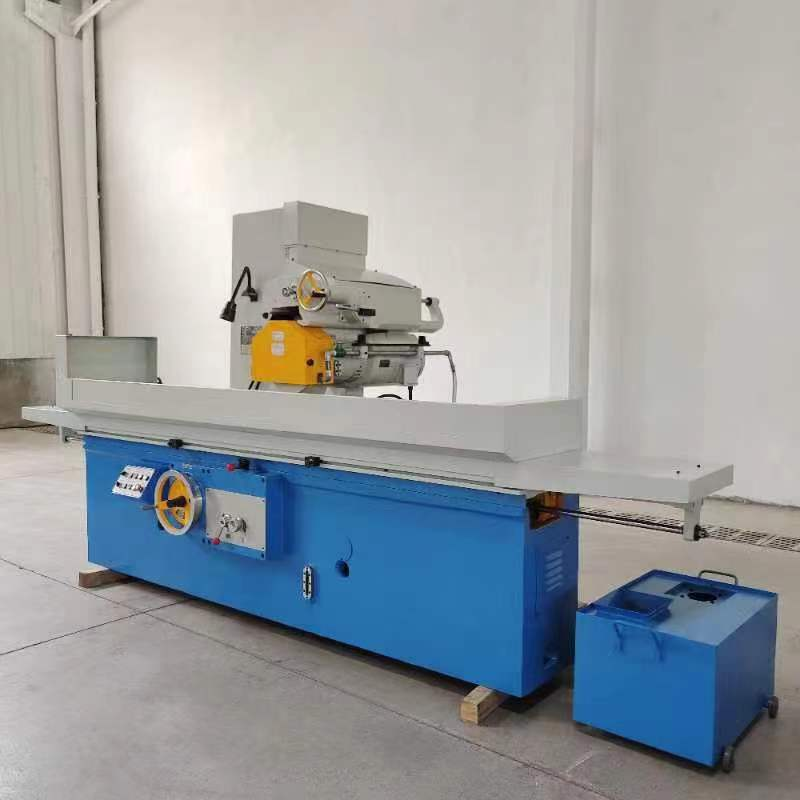
Key Operational Requirements for Grinding Machine Selection Workpiece Size and Machine Footprint Considerations One important thing to think about when picking out a grinding machine is how big the parts being worked on actually are. The size reall...
VIEW MORE
Shandong Lu Young Machinery Co., Ltd. delivers high-precision CNC lathes, milling machines, and Swiss-type CNC lathes. With ISO 9001 and CE certifications, we offer reliable machining solutions for automotive, aerospace, and industrial applications. Exporting to 180+ countries.

 EN
EN