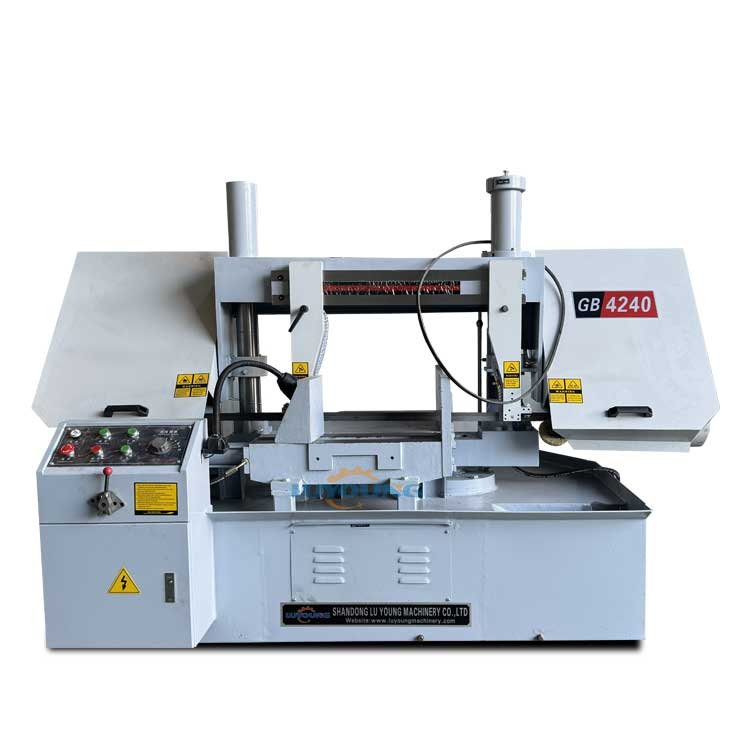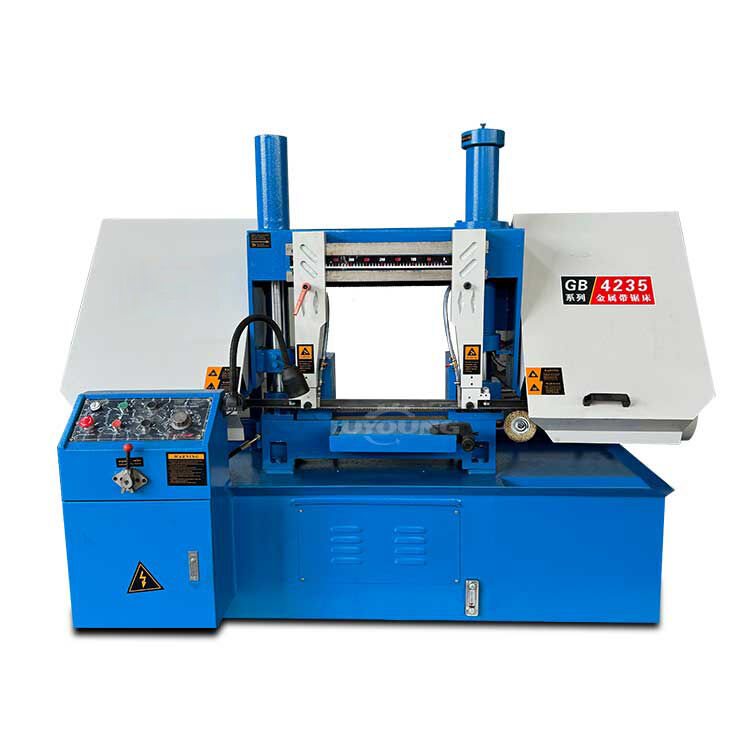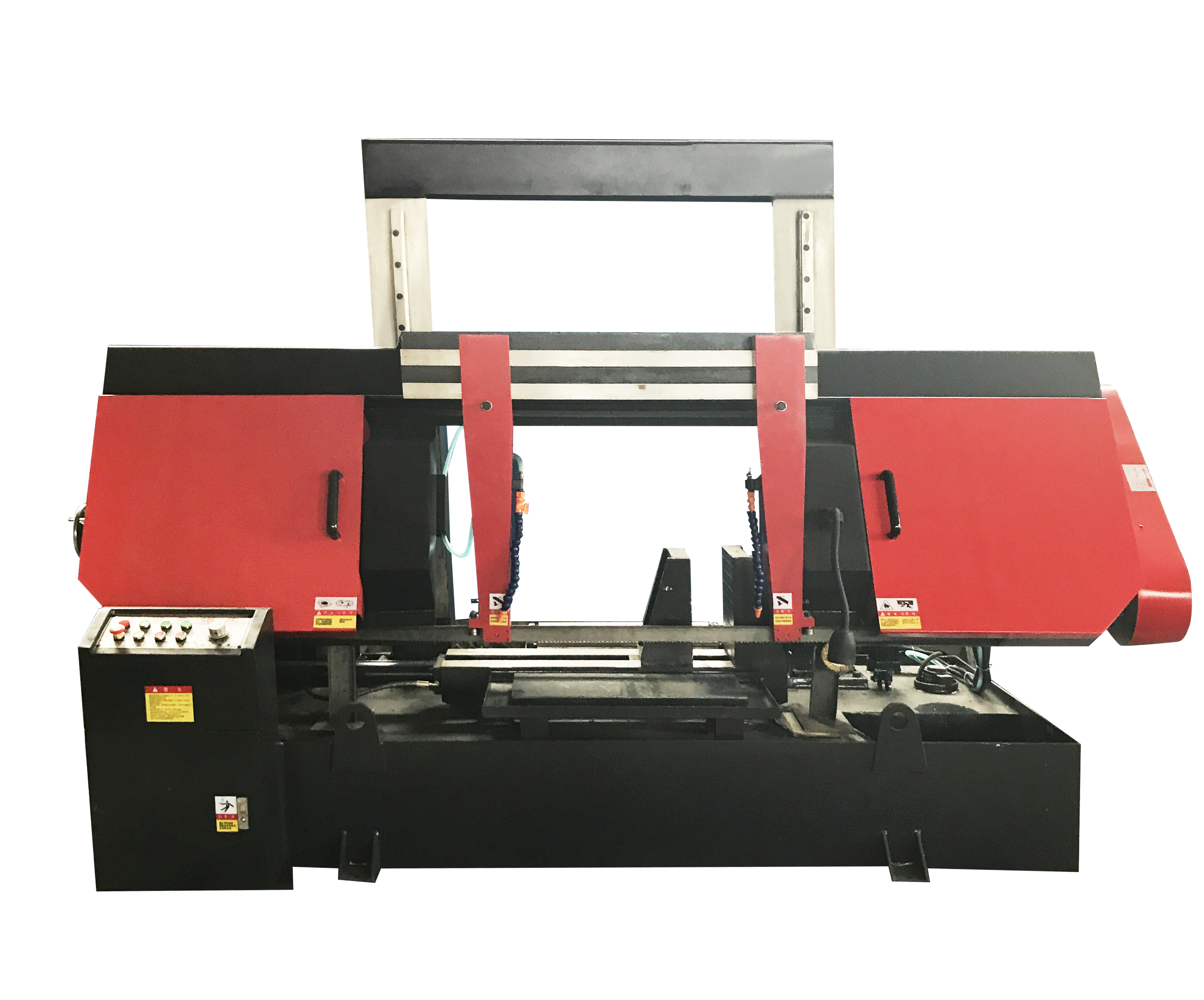
The technological evolution of the metal band sawing machine has made it a cornerstone of efficient material preparation across diverse industries. Its design is centered on a flexible, endless band blade that travels in one direction over driven and idler wheels, creating a highly efficient cutting action that generates less heat and waste compared to alternative methods. Critical performance aspects include the machine's ability to maintain blade tracking and stability, which is managed by precision blade guides—often equipped with carbide inserts or ceramic components to resist wear. The feed system, whether it's a simple pendulum, hydraulic, or fully CNC-controlled, determines the consistency of the cut and the operator's involvement. In the oil and gas industry, for instance, the requirement to cut large-diameter, high-yield strength pipe for pipelines and drill collars necessitates an extremely powerful and durable band saw. These machines must operate reliably in sometimes harsh environments, making features like a sealed gearbox, centralized lubrication, and a resilient construction critical for minimizing downtime. The cut's squareness and surface finish are inspected to strict standards to ensure the integrity of subsequent welding processes. Another scenario is in the production of commercial kitchen equipment, where stainless steel is the primary material. A vertical band saw allows fabricators to not only cut tubes and sheets to length but also to create complex shapes for sinks, backsplashes, or decorative elements. The fine-pitch blades available for vertical machines enable smoother cuts on thinner materials, reducing or eliminating the need for secondary edge finishing. For high-volume manufacturers of automotive components, such as piston rods or transmission shafts, an automated band sawing center with integrated measuring and sorting systems is employed. This setup takes raw bar stock, measures it, cuts it to a precise length, and then offloads the blanks onto a conveyor, all with minimal human intervention. This level of automation ensures consistent quality and maximizes throughput. The choice between a horizontal and vertical orientation depends on the typical workpiece size and the need for contouring. To explore how a modern metal band sawing machine can optimize your specific cutting applications, from simple bar stocking to complex automated cells, we encourage you to contact us. Our specialists are ready to provide a tailored recommendation and a comprehensive price estimate based on your unique requirements.