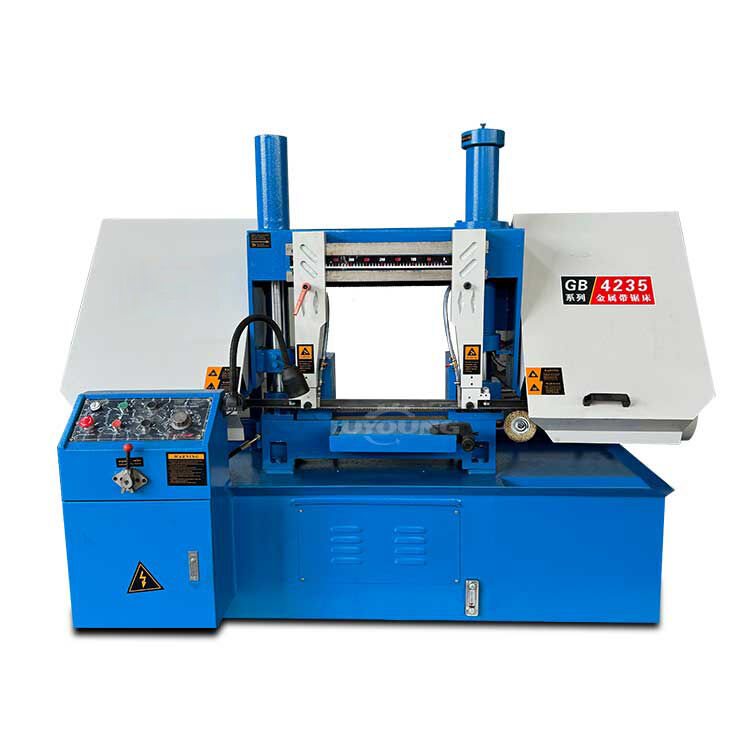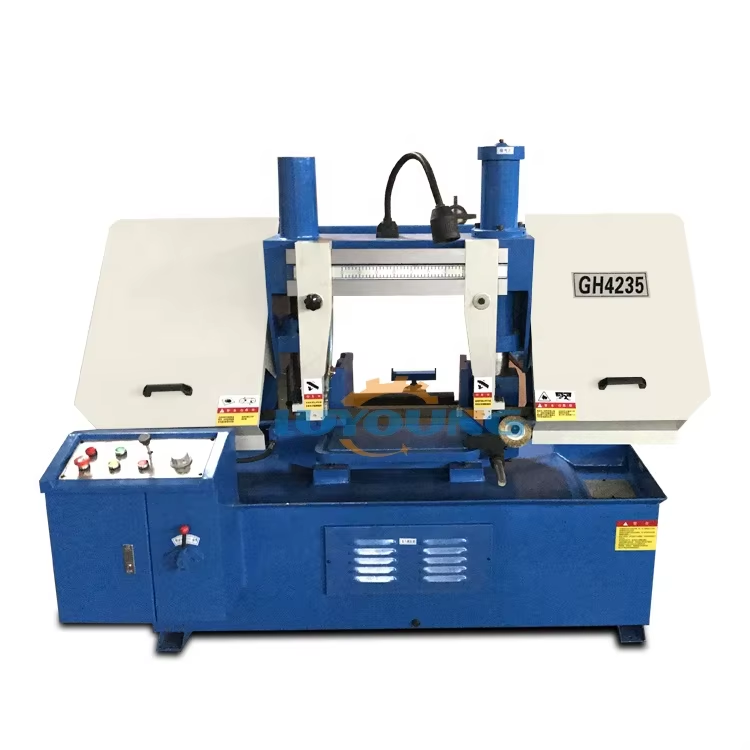
The metal band sawing machine is an indispensable foundation of any machine shop or production line involved with metal stock preparation. Unlike abrasive cut-off saws or cold saws, band saws utilize a continuous, toothed blade that provides a smoother, cooler, and more material-efficient cut. This technology is particularly advantageous for cutting a wide array of metallic materials, including carbon steel, tool steel, stainless steel, aluminum, copper, and exotic alloys. The fundamental advantage lies in its ability to maintain a consistent cross-section throughout the cut, which is crucial for preserving the structural integrity of the material and ensuring accuracy. Modern machines often incorporate programmable logic controllers (PLCs) and touch-screen interfaces, allowing operators to store cutting programs for different materials and dimensions, thereby reducing setup time and operator error. The blade selection is equally critical; bi-metal or carbide-tipped blades are chosen based on the material's hardness and abrasiveness to optimize cutting rates and tool life. In a high-production foundry, a heavy-duty double-column band saw might be used to cut large castings and forgings, such as engine blocks or turbine blade blanks, into manageable sizes for further CNC machining. The machine's rigidity and powerful drive system are essential to handle the intermittent cuts and varying cross-sections often encountered in such applications. Conversely, in the automotive aftermarket industry, a horizontal band saw is commonly used to cut tubing and solid bar stock for creating custom roll cages, suspension components, or exhaust systems. The precision of the cut is vital here, as it directly affects the fit and weld quality of the final assembly. For businesses looking to automate, systems can be integrated with bar feeders and conveyors to create a continuous, unattended cutting cell. This dramatically increases productivity and reduces labor costs for long production runs. The decision between a wet-cutting system, which uses coolant to extend blade life and improve cut quality on tough materials, and a dry system, which is simpler and cleaner for non-ferrous metals, is another important consideration. Our engineering team can provide a professional analysis of your workflow to recommend the most efficient and cost-effective band sawing solution. We invite you to contact us to discuss your specific needs and receive a personalized offer for a machine that will enhance your cutting operations.